Cumbia in Argentina: History, Evolution, and Influence

The story of cumbia in Argentina is one of the most remarkable musical transformations in Latin America. What arrived in the late 1950s as a tropical import from the Caribbean quickly took deep root in Argentine soil, becoming the beating pulse of popular identity across dancehalls, working-class neighborhoods, stadium terraces, and cutting-edge electronic clubs worldwide.
Over six decades, Argentina took cumbia and forged several distinctive regional subgenres: the melodic cumbia santafesina powered by diatonic accordion and electric guitar, the sophisticated cumbia pop of the 1990s with complete brass sections, the raw social rebellion of cumbia villera in the 2000s, the modern RKT and Cumbia 420 urban movement, and the globally acclaimed digital cumbia born in Buenos Aires.
1. The Pioneers: How Tropical Rhythms Reached the River Plate (1950s–1960s)
The seeds of Argentine cumbia were planted in 1955 in the university town of La Plata. A collective of medical students from Colombia, Chile, Peru, and Argentina founded Los Wawancó. Armed with acoustic Caribbean percussion, they recorded milestone hits like “El Pescador”, “La Burrita”, “Santa Marta”, and “La Cosecha de Mujeres”.
Selling millions of records across the continent, Los Wawancó legitimized cumbia in Argentine family gatherings and social halls. By the early 1960s, Cuarteto Imperial arrived from Colombia, cementing the accordion-driven dance format across nationwide radio and television broadcasts.
2. Cumbia Santafesina: The School of Accordion and Guitar
Nowhere did cumbia develop a stronger regional identity than in Santa Fe province. Cumbia santafesina split into two complementary traditions: traditional accordion cumbia with riverbank litoraleño flavor, and romantic cumbia driven by expressive electric guitar.
Los Palmeras: Fifty Years of Undisputed Kingship
Founded in 1972 in Santa Fe city by Marcos Camino (accordion) and the unmistakable vocals of Rubén “Cacho” Deicas, Los Palmeras are an Argentine cultural institution. For over five decades they have preserved the pure rhythm of accordion cumbia.
Their signature anthem “El Bombón Asesino” (2004) surpassed 150 million views on YouTube, becoming one of the most recognized cumbia tracks in history. In November 2019, Los Palmeras created an iconic sporting and cultural moment: performing “Soy Sabalero” live in front of 40,000 Colón de Santa Fe supporters at the Copa Sudamericana final in Asunción, a performance that went viral globally with over 50 million views.
Leo Mattioli & Grupo Trinidad: Passionate Guitar Cumbia
In the late 1970s, Los del Bohío introduced the electric guitar as the lead melodic voice in santafesina cumbia. By the 1990s, this melancholic, romantic style reached its pinnacle with Grupo Trinidad and lead vocalist Leo Mattioli.
Following a tragic bus accident in 2000 that claimed bandmates’ lives, Mattioli launched a celebrated solo career as “El León Santafesino”. Albums like Ese Soy Yo (2001) established him as the poet laureate of romantic cumbia, creating beloved anthems like “Llorarás Más de Diez Veces”, “Tramposa y Mentirosa”, and “Le Pido a Dios”.
3. The 1990s Tropical Boom and Cumbia Pop
The 1990s saw cumbia conquer Argentine television, massive weekend ballrooms (bailantas), and mainstream culture through polished studio production and radio hits.
Gilda: The Immortal Queen and Folk Saint
No artist embodies the spirit and tenderness of Argentine cumbia like Miriam Alejandra Bianchi, celebrated worldwide as Gilda. A kindergarten teacher who pursued music against all odds, Gilda broke into a male-dominated industry by writing her own poetic, emotionally resonant songs.
Her landmark 1995 album “Corazón Valiente” achieved Double Platinum status. Masterpieces such as “No Me Arrepiento de Este Amor” (+180M views on YouTube), “Fuiste” (+120M views), “Paisaje” (+90M views), and “Se Me Ha Perdido Un Corazón” remain timeless treasures. Following her tragic passing in September 1996, Gilda ascended to a revered folk saint across South America.
Ráfaga: Orchestral Elegance on the Global Stage
Formed in 1996 in Buenos Aires with lead singer Ariel Puchetta, Ráfaga revolutionized the genre’s presentation: performing in tailored period coats with full horn arrangements and thunderous percussion.
Their 1999 album “Un Fenómeno Natural” propelled them to international stardom across Chile, Peru, Bolivia, Spain, and Sweden with the smash hit “Mentirosa”. Years later, their track “Una Cerveza” exploded into a worldwide sensation with over 380 million YouTube views, cementing Ráfaga as Argentina’s biggest cumbia export.
Sombras, Daniel Agostini, and La Nueva Luna
The 90s also produced Grupo Sombras, whose album Boquita de Caramelo (1996) propelled Daniel Agostini to fame with “La Ventanita” (+80M views). Simultaneously, La Nueva Luna (led by Marcelo “Chino” González and guitarist Ramón “El Mago” Benítez) earned the moniker “El Sentimiento Nacional” with enduring tracks like “Iluminará” and “Choque 2000”.
4. Cumbia Villera: The Barrio Revolution (2000s)
Against the backdrop of Argentina’s severe 2001 socioeconomic crisis, a groundbreaking musical movement emerged from the working-class settlements (villas miseria) of Greater Buenos Aires: Cumbia Villera.
Villera cumbia stripped away polite commercial conventions to document harsh barrio realities: unemployment, police friction, clandestine block parties, street codes, and unbreakable neighborhood loyalty. Musically, tempos accelerated, the shoulder-slung synthesizer (keytar Roland AX) delivered sharp, biting riffs, and sampled electronic percussion drove hypnotic grooves.
Damas Gratis & Pablo Lescano: The Villera Architect
In 2000, keyboardist Pablo Lescano founded Damas Gratis in San Fernando. Their debut record “Para los Pibes” (2000) was a sonic manifesto featuring classics like “Se Te Ve La Tanga”, “Los Dueños del Pabellón”, and “Quiero Vitamina”.
With his keytar across his chest and the battle cry “¡Atrr perro cumbia cumbia!”, Lescano elevated the genre from local dancehalls to Lollapalooza stages, stadium tours, and major rock collaborations. In the streaming era, his records shattered Latin American records:
- “No Te Creas Tan Importante” (Damas Gratis ft. Viru Kumbieron): over 870 million views on YouTube.
- ”Me Vas a Extrañar” (Damas Gratis ft. Viru Kumbieron): over 680 million views on YouTube.
Los Pibes Chorros, Yerba Brava, and Mala Fama
Key pioneers who helped shape the movement include:
- Los Pibes Chorros: Led by Ariel Salinas (“El Traidor”), their 2001 debut Arriba Las Manos went gold in three weeks, propelled by street chronicles like “Duraznito” (+70M views) and “Andrea” (+50M views).
- Yerba Brava: Fronted by the raspy voice of Juan Carlos “El Monito” Ponce, creating legendary soccer terrace anthems like “El Pibe Cantina” (+85M views) and “La Cumbia de los Trapos”, sung by Argentina’s World Cup champions in Qatar 2022.
- Mala Fama: Commanded by Hernán Coronel, infusing street slang and sharp social satire into tracks like “La Marca de la Gorra”.
5. Cumbia RKT and Cumbia 420: The Urban Wave (2020–2026)
Around 2020, inside Greater Buenos Aires nightlife venues like Rescate Bailable, a new youth wave was born: Cumbia RKT and Cumbia 420.
RKT blends classic cumbia villera rhythms with 808 sub-bass, Latin dembow, and trap cadences at a danceable tempo between 95 and 100 BPM:
- L-Gante: His breakthrough “BZRP Music Sessions, Vol. 38” with Bizarrap racked up over 360 million views, while “L-Gante RKT” surpassed 350 million streams.
- Callejero Fino & Rei: Their smash hit “Tu Turrito” achieved continental dominance with over 380 million views on YouTube.
- La Joaqui, BM & DJ Tao: Their Turreo Sessions established a modern stadium-filling urban cumbia sound.
6. Digital Cumbia & Folktrónica: Buenos Aires Underground (ZZK Records)
In the late 2000s in Buenos Aires’ historic San Telmo neighborhood, the Zizek club nights and ZZK Records pioneered a global fusion movement: blending traditional Colombian and Argentine cumbia with analog synthesizers, dub delays, and club electronica.
Visionary producer Pedro Canale (Chancha Vía Circuito) released his magnum opus “Río Arriba” (2010), layering Andean quenas, charangos, and bombo legüero percussion over ambient cumbia grooves. His track “Cumbia del Olvido” (+40M plays) became an international festival anthem featured on Breaking Bad.
Alongside La Yegros (whose hit “Viene de Mí” counts over 50M streams), King Coya, and El Remolón, this sound toured leading electronic and world festivals including Sónar, MUTEK, Coachella, and Roskilde.
7. Essential Argentine Albums with Official Artwork
Discover the most influential albums of Argentine cumbia featuring original cover art and direct links to album guides on CumbiaFM:
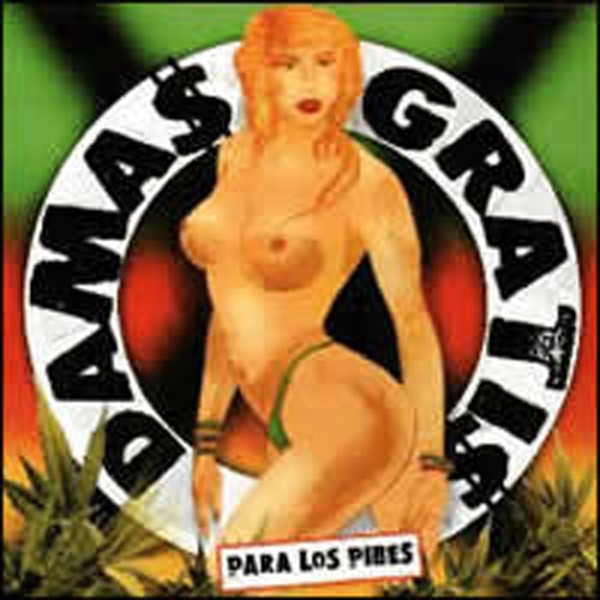 ★ 4.9 · 2000
Para los Pibes
The foundational manifesto of villera cumbia featuring Roland AX keytar. Includes "Se Te Ve La Tanga" and "Los Dueños del Pabellón".
View Album Guide →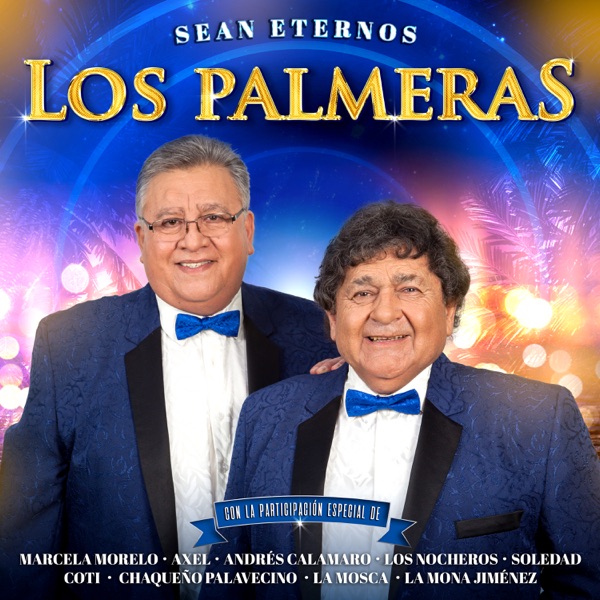 ★ 4.9 · 2019
Sean Eternos Los Palmeras
Fifty years of accordion heritage with symphonic guest arrangements. Includes "El Bombón Asesino", "Olvídala", and "Soy Sabalero".
View Album Guide →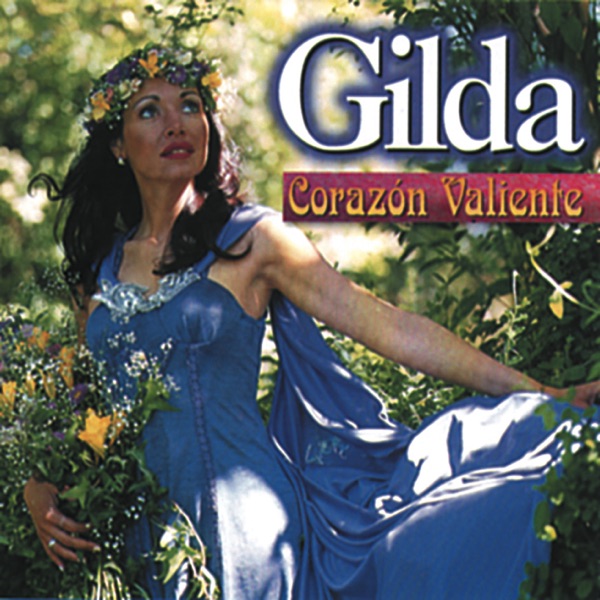 ★ 5.0 · 1995
Corazón Valiente
Double Platinum masterpiece from the queen and folk saint of cumbia. Includes "Fuiste", "No Me Arrepiento de Este Amor", and "Paisaje".
View Album Guide →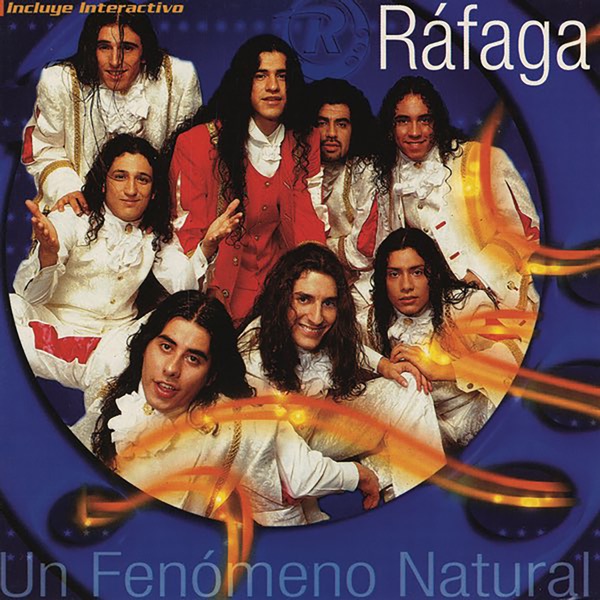 ★ 4.8 · 1999
Un Fenómeno Natural
The brass-heavy album that internationalized Argentine cumbia across Latin America and Europe. Includes "Mentirosa".
View Album Guide →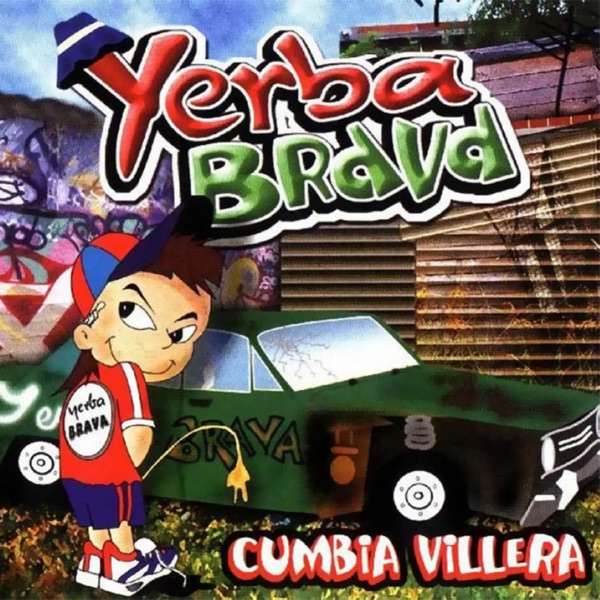 ★ 4.8 · 2000
Cumbia Villera
Stadium terrace energy fronted by El Monito Ponce. Features the continental anthem "El Pibe Cantina" and "La Cumbia de los Trapos".
View Album Guide →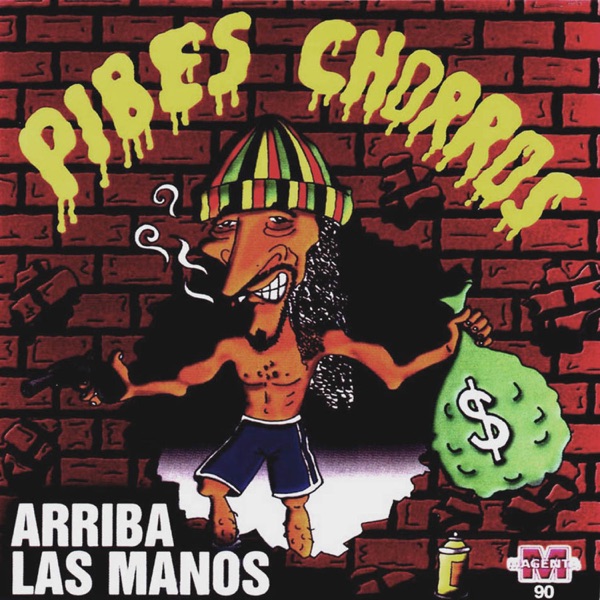 ★ 4.7 · 2001
Arriba Las Manos
Sharp barrio storytelling with Ariel Salinas ("El Traidor"). Certified Gold featuring "Duraznito", "Andrea", and "Llegamos Los Pibes Chorros".
View Album Guide →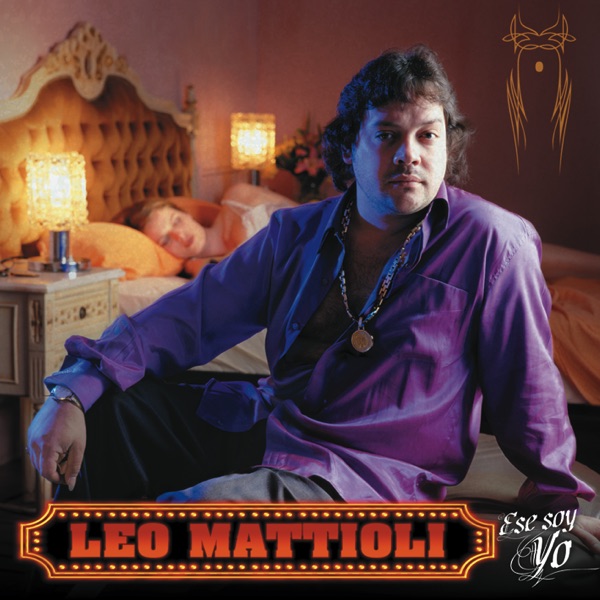 ★ 4.9 · 2001
Ese Soy Yo
The romantic peak of "El León Santafesino". Includes "Llorarás Más de Diez Veces", "Tramposa y Mentirosa", and "Le Pido a Dios".
View Album Guide →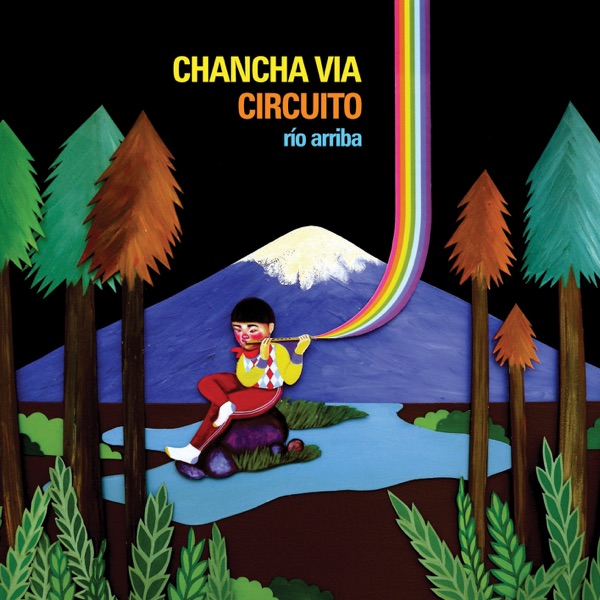 ★ 4.8 · 2010
Río Arriba
ZZK Records' benchmark release merging Andean heritage with club minimalism. Features international hit "Cumbia del Olvido".
View Album Guide →8. Top-Viewed Argentine Cumbia Tracks on YouTube
These defining anthems have gathered hundreds of millions of views, demonstrating the worldwide appeal of Argentine cumbia styles:
| Song Title | Artist / Group | Subgenre | YouTube Views | Year |
|---|---|---|---|---|
| No Te Creas Tan Importante | Damas Gratis ft. Viru Kumbieron | Cumbia Villera | +870M views | 2018 |
| Me Vas a Extrañar | Damas Gratis ft. Viru Kumbieron | Cumbia Villera | +680M views | 2018 |
| Una Cerveza | Ráfaga | Cumbia Pop | +380M views | 2014 |
| Tu Turrito | Rei ft. Callejero Fino | Cumbia RKT | +380M views | 2022 |
| BZRP Music Sessions, Vol. 38 | Bizarrap & L-Gante | Cumbia 420 / RKT | +360M views | 2021 |
| No Me Arrepiento de Este Amor | Gilda | Romantic Cumbia | +180M views | 1995 |
| El Bombón Asesino | Los Palmeras | Cumbia Santafesina | +150M views | 2004 |
| Fuiste | Gilda | Romantic Cumbia | +120M views | 1995 |
| Mentirosa | Ráfaga | Cumbia Pop | +100M views | 1999 |
| El Pibe Cantina | Yerba Brava | Cumbia Villera | +85M views | 2000 |
| La Ventanita | Grupo Sombras (Daniel Agostini) | Movida Tropical | +80M views | 1996 |
| Duraznito | Los Pibes Chorros | Cumbia Villera | +70M views | 2001 |
| Soy Sabalero (Live Sudamericana) | Los Palmeras | Cumbia Santafesina | +50M views | 2019 |
| Llorarás Más de Diez Veces | Leo Mattioli | Guitar Cumbia | +45M views | 2001 |
| Cumbia del Olvido | Chancha Vía Circuito | Digital Cumbia / ZZK | +40M views | 2010 |
The Living Heritage of Argentine Cumbia
Cumbia in Argentina is neither a museum relic nor a fleeting trend: it is an organic, living culture that permeates every community. From family barbecues and soccer stadiums to international festival stages, its rhythms continue to evolve and inspire.
Whether powered by Santa Fe accordions, San Fernando keytars, or 808-infused urban basslines, Argentine cumbia unites millions across generations with its passion, joy, and deep communal authenticity.
Discover authentic cumbia music through our curated radio stations and explore the rich cultural heritage of this beloved Latin American genre.